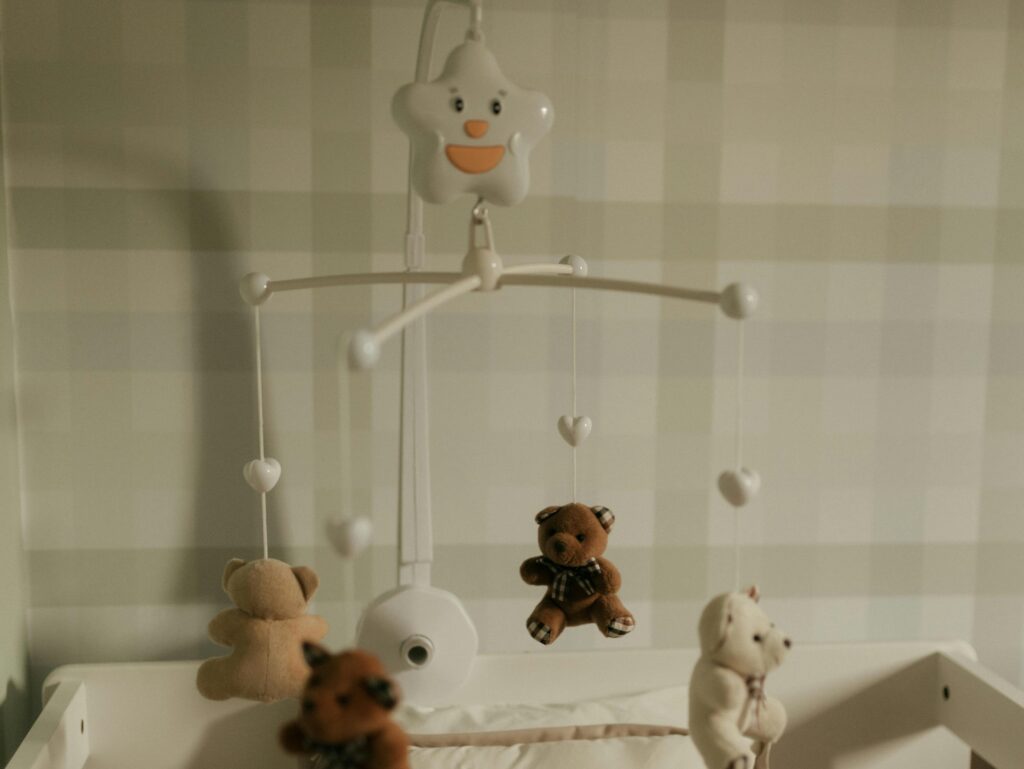
Newborn essentials for the first 3 months are simpler than the baby industry wants you to believe. A newborn needs to be fed, held, kept warm, kept clean, and kept safe. Every product worth buying serves one of those five purposes — for your baby or for the parent caring for them.

The first three months are often called the fourth trimester. Your baby is continuing to develop outside the womb the way they would have inside it. They need warmth, closeness, feeding, and safety above almost everything else. They don’t need entertainment. They don’t need stimulation beyond the normal rhythm of daily life.
They need you — and the products that support you in caring for them.
Newborn Essentials First 3 Months: Feeding
In the first three months, a newborn feeds every two to three hours. Sometimes more. Feeding is not a small part of life in these weeks. It is the primary activity around which everything else is structured. Your feeding setup needs to work reliably and comfortably because you will use it constantly.
For breastfed babies:
- Nursing bras with one-hand clips — at least two or three
- Nipple balm applied after every feed from day one
- A nursing pillow shaped specifically for nursing position
- Breast pads for leaks
- A bottle warmer for pumped milk
- A bottle sterilizer or steamer
- A silicone bottle brush for cleaning pump parts and bottles
For formula-fed babies:
- Four to six bottles starting with a slow-flow nipple
- A sterilizer — essential, not optional
- A formula dispenser for pre-measuring night feeds
- A kettle and bottle warmer
Start with one or two bottle styles before committing to a full set. Babies have strong preferences and what works for one is sometimes rejected completely by another.
Newborn Essentials First 3 Months: Sleep Setup
Newborns sleep between 14 and 17 hours a day — just never in the consecutive stretches you desperately want them to. They cycle through sleep in 45 to 60 minute chunks.
Safe sleep non-negotiables:
- A firm, flat sleep surface — a crib, bassinet, or bedside sleeper that meets Health Canada safety standards
- A fitted sheet designed for that specific mattress
- Nothing else in the sleep space — no pillows, bumpers, loose blankets, or positioners
What genuinely helps with sleep:
- A sound machine running continuously — white noise mimics the constant sound environment of the womb
- A nightlight with a warm, dim setting
- Waterproof mattress protectors under each fitted sheet in double layers
- Muslin swaddle blankets — breathable and stretchy enough for a secure swaddle
Health Canada’s safe sleep recommendations are clear: always place baby on their back, in their own safe sleep space, with nothing else in the crib.
→ See our full Nursery Setup Guide for how to arrange your sleep space safely and practically.
Newborn Essentials First 3 Months: Diapering
You will change approximately 2,500 diapers in the first year. In the first three months alone a newborn can go through ten to twelve diapers a day. Your diapering setup should be efficient and organized.
- A changing pad or pod with a removable washable cover
- Unscented baby wipes — fragrance is one of the leading causes of diaper rash
- A diaper caddy in the nursery and one wherever you spend daytime hours
- Fragrance-free zinc oxide barrier cream
- A nose, nail, and ear cleaning set
- Diapers in newborn and size one — don’t over-buy newborn size since some babies arrive too large for them
Newborn Essentials First 3 Months: Bathing
Newborns don’t need daily bathing. Two or three times per week is perfectly sufficient. Between baths, keep the nappy area, neck folds, armpits, and hands clean with warm cloths or gentle wipes.
- A baby bathtub or reclining mesh bath support
- Fragrance-free, dye-free baby wash and shampoo
- Hooded cape towels — the hood keeps baby’s head warm during the vulnerable moment of coming out of warm water
- A silicone bath brush for gentle scalp care
- Fragrance-free all-over skin ointment — dry patches are perfectly normal in newborns
Clothing: Keep It Simple
Babies grow fast. Newborn clothing is outgrown within weeks. Don’t over-invest.
- Onesies in newborn and 0–3 months, both short and long sleeve
- Zip-up footed sleepers — avoid buttons at 3am
- Soft socks with grip and elasticized ankles
- A warm outer layer for Canadian weather — a bunting bag or fleece snowsuit for winter babies
- Newborn hats for the first few weeks
Baby clothing sizes in Canada run small. If your baby is measuring large in the final weeks, consider skipping newborn size and starting at 0–3 months.
Soothing: Closeness Is the Product
Newborns are calmed by things that remind them of the womb — warmth, movement, sound, and the smell and heartbeat of a parent. No product replaces this. Some products support it.
- A baby carrier or ring sling for hands-free carrying
- Pacifiers if you choose to use them — introduce after breastfeeding is established at around three to four weeks
- Soft stuffed animals for comfort
Safety and Canadian Standards
In Canada, baby products must comply with the Canada Consumer Product Safety Act. When purchasing anything that goes near your baby’s body, mouth, or sleep space, look for products that have been third-party tested, are free from BPA and phthalates, and comply with Health Canada’s mandatory product standards.
At Cradle Song Co, we verify all of this before a product ever joins our shop.
→ Read our full Baby Product Safety Canada guide to understand exactly what to look for.
→ Read next: How to Set Up a Functional Nursery
→ Shop our curated Newborn Essentials collection at Cradle Song Co