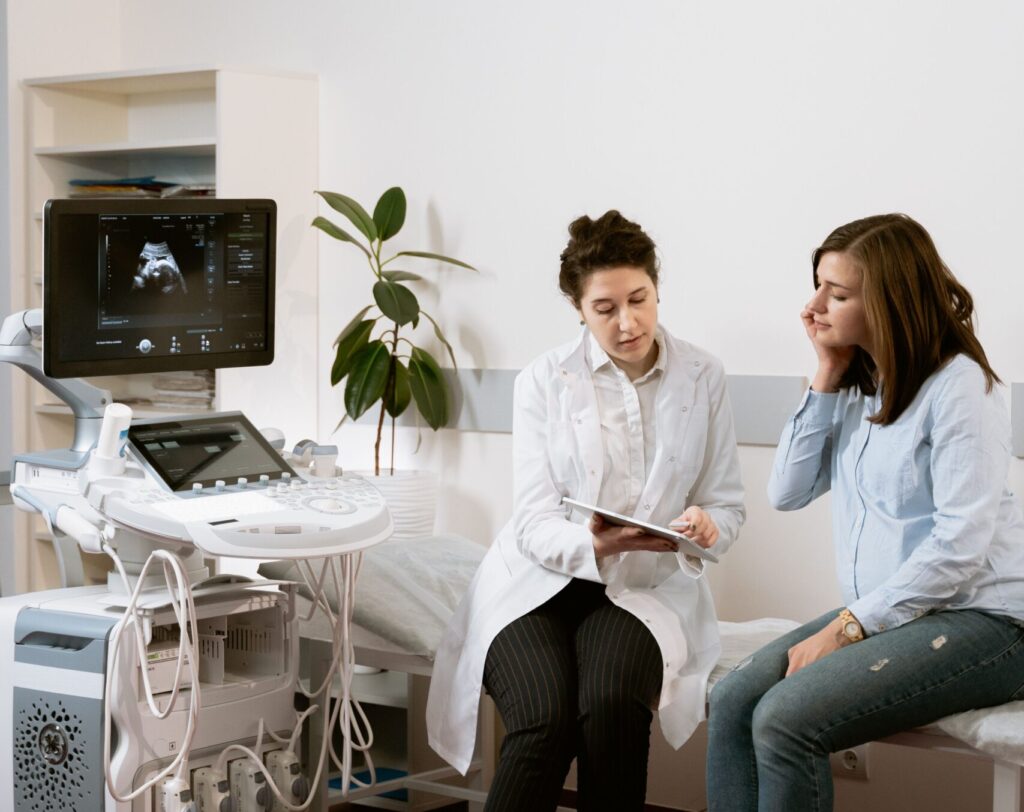
Pregnancy nutrition advice is everywhere — and most of it is either too vague to be useful or so alarming it makes you afraid to eat anything at all. Neither of those extremes helps you.
This guide cuts through it. These are the five specific foods Canadian moms should avoid during pregnancy, why they matter, and what Health Canada actually says about each one.
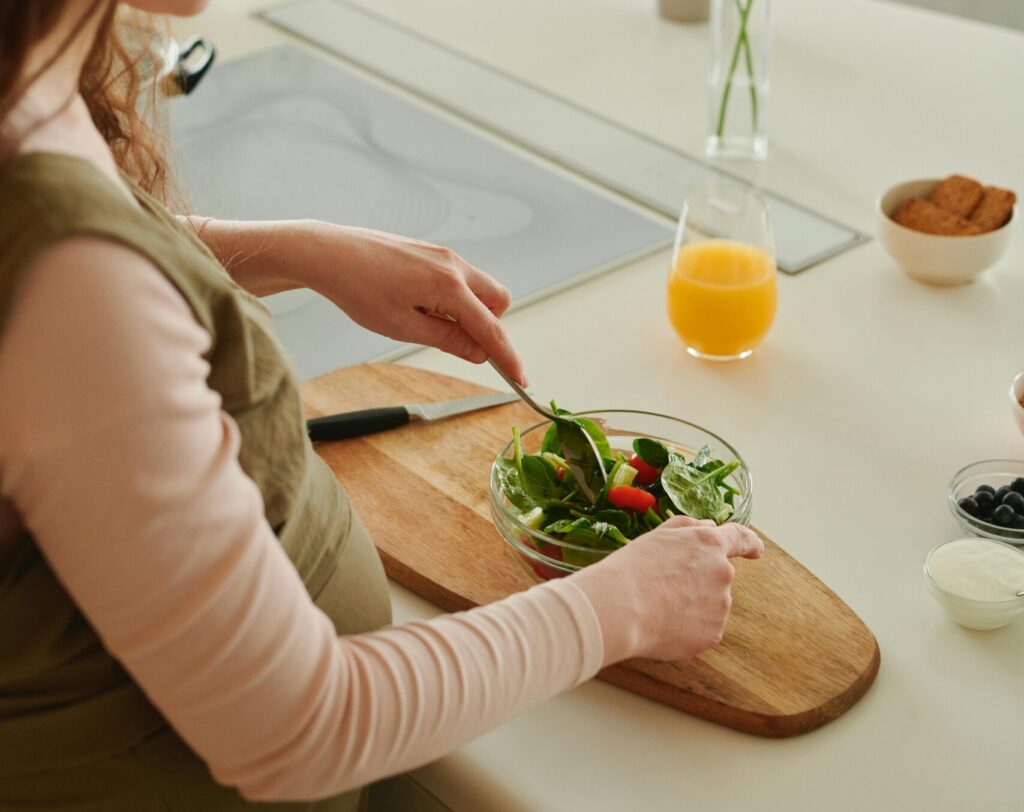
Why Food Safety During Pregnancy Is Different
Your immune system operates differently during pregnancy. It naturally suppresses itself to protect the baby — which means you are more vulnerable to foodborne illness than you would normally be. Bacteria and parasites that a healthy adult body might handle without issue can cause serious complications during pregnancy, including miscarriage, premature labour, and stillbirth.
This is not fear-mongering. It is physiology. And it is why the food rules during pregnancy exist.
Health Canada’s pregnancy nutrition guidelines are the most current Canadian-specific resource for this. They are updated regularly and worth bookmarking.
Raw or Undercooked Meat and Poultry
Raw and undercooked meat carries the risk of Toxoplasma gondii — a parasite that causes toxoplasmosis. In healthy adults, toxoplasmosis often produces no symptoms at all. During pregnancy, it can cross the placenta and cause serious harm to the developing baby.
This applies to:
- Rare or medium-rare beef, lamb, and pork
- Deli meats and cured meats unless heated until steaming
- Pâté and meat spreads — refrigerated versions are high-risk
- Any meat that hasn’t reached a safe internal temperature
The rule is simple: cook all meat to the recommended internal temperature and heat deli meats until steaming before eating.
Raw Fish and High-Mercury Seafood
Sushi, sashimi, oysters, and ceviche all carry the risk of Listeria monocytogenes — a bacterium that thrives in cold, damp environments and can survive refrigeration. Listeria infection during pregnancy can lead to premature delivery, miscarriage, or illness in the newborn.
Beyond the raw fish risk, certain fish are high in mercury — a heavy metal that accumulates in the body and can affect fetal brain and nervous system development. In Canada, the fish to limit or avoid include:
- Swordfish
- Shark
- King mackerel
- Fresh or frozen tuna (canned light tuna is lower-risk)
- Tilefish
The Society of Obstetricians and Gynaecologists of Canada (SOGC) provides Canadian-specific guidance on safe seafood consumption during pregnancy, including which fish are safe and in what quantities.
Unpasteurized Dairy and Soft Cheeses
Unpasteurized milk and cheeses made from unpasteurized milk are a significant Listeria risk. In Canada, all commercially sold milk is pasteurized — but some imported cheeses and specialty products are not.
The cheeses to be careful with during pregnancy:
- Brie and Camembert
- Soft blue-veined cheeses (Roquefort, Gorgonzola)
- Queso fresco and other soft Mexican-style cheeses
- Feta — unless labeled as made from pasteurized milk
Hard cheeses, processed cheeses, and anything clearly labeled as made from pasteurized milk are generally considered safe.
Check the label. If it doesn’t confirm pasteurization, skip it.
Raw Eggs and Foods Containing Them
Raw eggs carry the risk of Salmonella — a bacterial infection that causes severe gastrointestinal illness. While salmonella itself does not cross the placenta, the dehydration and fever it causes can be dangerous during pregnancy.
The foods to watch for:
- Homemade Caesar dressing (traditional recipes use raw egg)
- Homemade mayonnaise
- Mousse, tiramisu, and other desserts made with raw egg
- Runny or soft-scrambled eggs
- Hollandaise sauce
Commercial versions of these products are typically made with pasteurized eggs and are lower-risk — check the label. At home, cook eggs until both the white and yolk are fully set.
Unwashed Produce and Pre-Packaged Salads
This one surprises people. Produce — including pre-washed, packaged greens — can carry E. coli, Listeria, and Salmonella from soil, water, and handling. Pre-packaged salads and sprouts are particularly high-risk because of how they’re stored and processed.
During pregnancy:
- Wash all fruits and vegetables thoroughly under running water, even if they’re labeled pre-washed
- Avoid raw sprouts entirely — alfalfa, clover, radish, and mung bean sprouts have been repeatedly linked to foodborne illness outbreaks in Canada
- Treat pre-packaged salad greens the same as unwashed produce
This is a low-effort habit that significantly reduces your risk.
A Note on Caffeine and Alcohol
These are not on the main list because they are not foodborne illness risks — but they are worth stating clearly.
Health Canada advises pregnant women to limit caffeine to 300 mg per day or less. That is roughly two cups of coffee. Tea, chocolate, and some sodas also contain caffeine and count toward that total.
There is no established safe level of alcohol during pregnancy. The Canadian recommendation is to avoid alcohol entirely.
What This Means for Your Pregnancy Pantry
None of this means your diet has to be restrictive or joyless. It means being intentional about what you buy, how you prepare it, and which shortcuts are worth taking and which aren’t.
The same intentionality applies to everything you bring into your home during pregnancy — including the products you use on your body and your baby. If you are building out your hospital bag and thinking through what to pack for birth, our Labour and Delivery Bag guide walks through exactly that.
And if you are starting to think about what your baby will actually need in those first weeks, our Baby Product Safety Canada guide covers how Canadian safety standards work and what to look for when you shop.
→ Read our Labour & Delivery Bag guide — everything to pack for birth day, including what Canadian hospitals actually provide.
→ Read our Baby Product Safety Canada guide — how to vet any product before it comes near your baby.
→ Shop the full Cradle Song Co collection — every product verified for Canadian safety standards.